Remote Monitoring
Runs Through
Care Operations
Hicare operates the infrastructure that keeps RPM
and CCM programs active, documented,
and measurable between visits.

.png)
How Remote Monitoring runs with Hicare
Remote care creates value when monitoring, follow-up, and care coordination work together as part of
connected care rather than isolated monthly activities. Hicare supports remote care through coordinated
care operations that help sustain continuity, visibility, and patient engagement between visits.
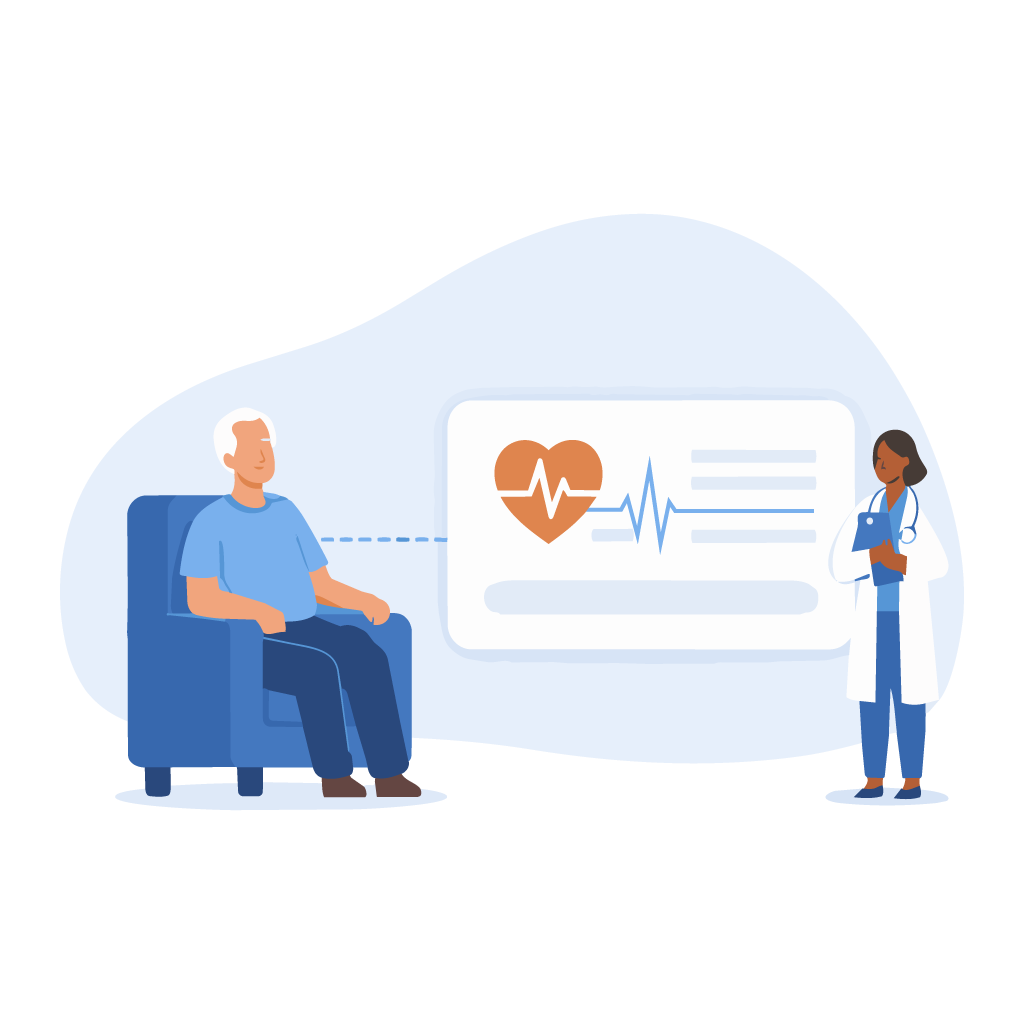
Connected Monitoring & Care Coordination
Patient data flows through a connected monitoring infrastructure designed to support continuity, clinical visibility, and proactive intervention over time.
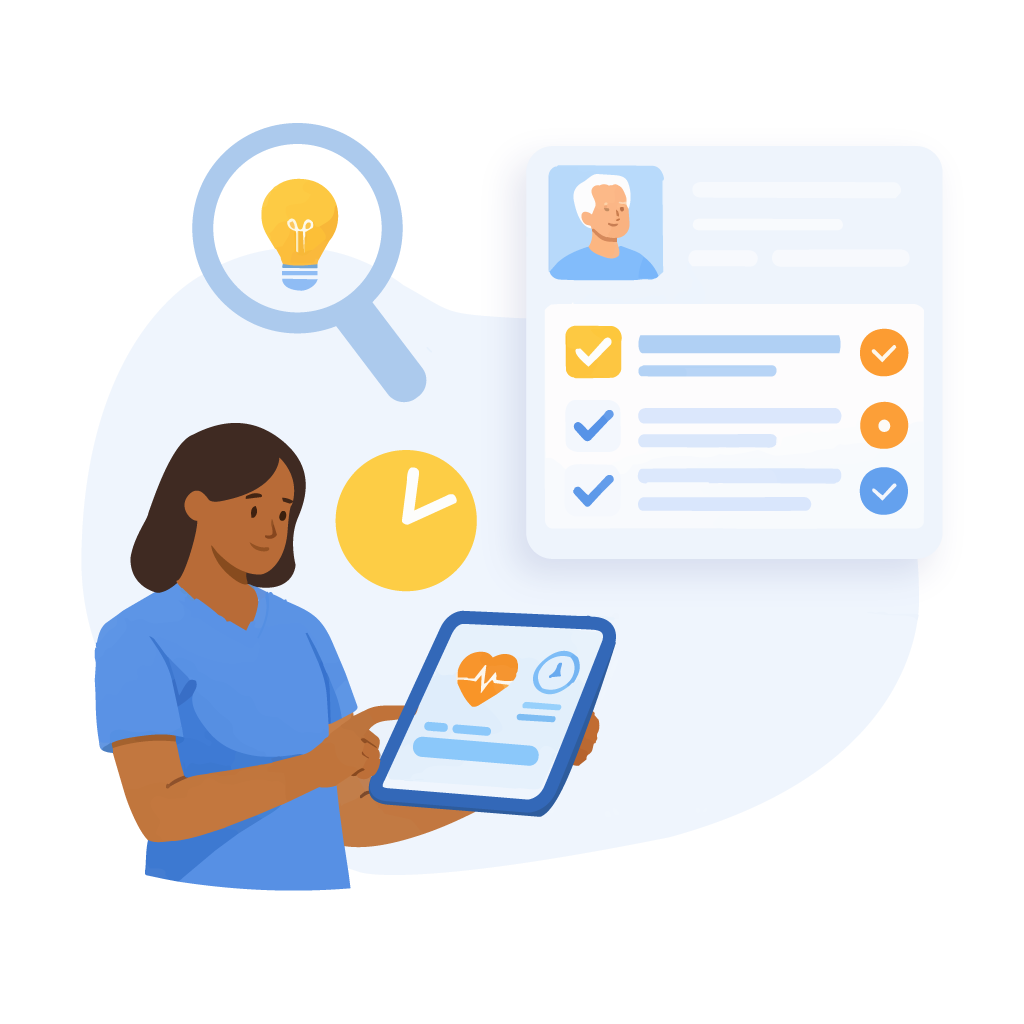
Medical Intelligence & Care Team Action
Clinical insights and monitoring signals support timely intervention and more informed care team decision-making.
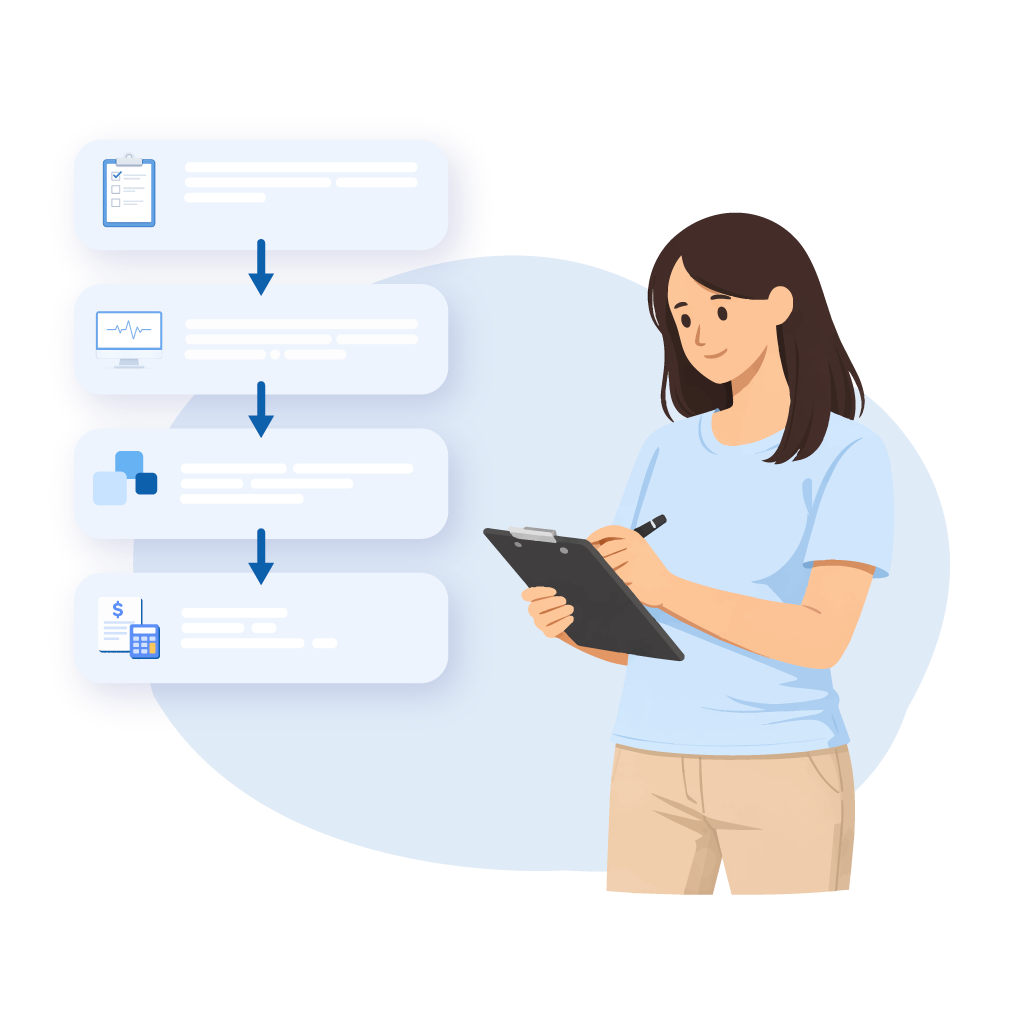
Personalized Care Plans & Continuous Engagement
Personalized care planning and ongoing engagement support continuity, sustained participation, and long-term care management.
Structured Documentation & Reimbursement Support
Documentation and reporting workflows support program administration, compliance alignment, and sustainable reimbursement support.
Remote Patient Monitoring as
continuous care
RPM creates value when monitoring, clinical signals, and follow-up
operate together to support ongoing patient management.
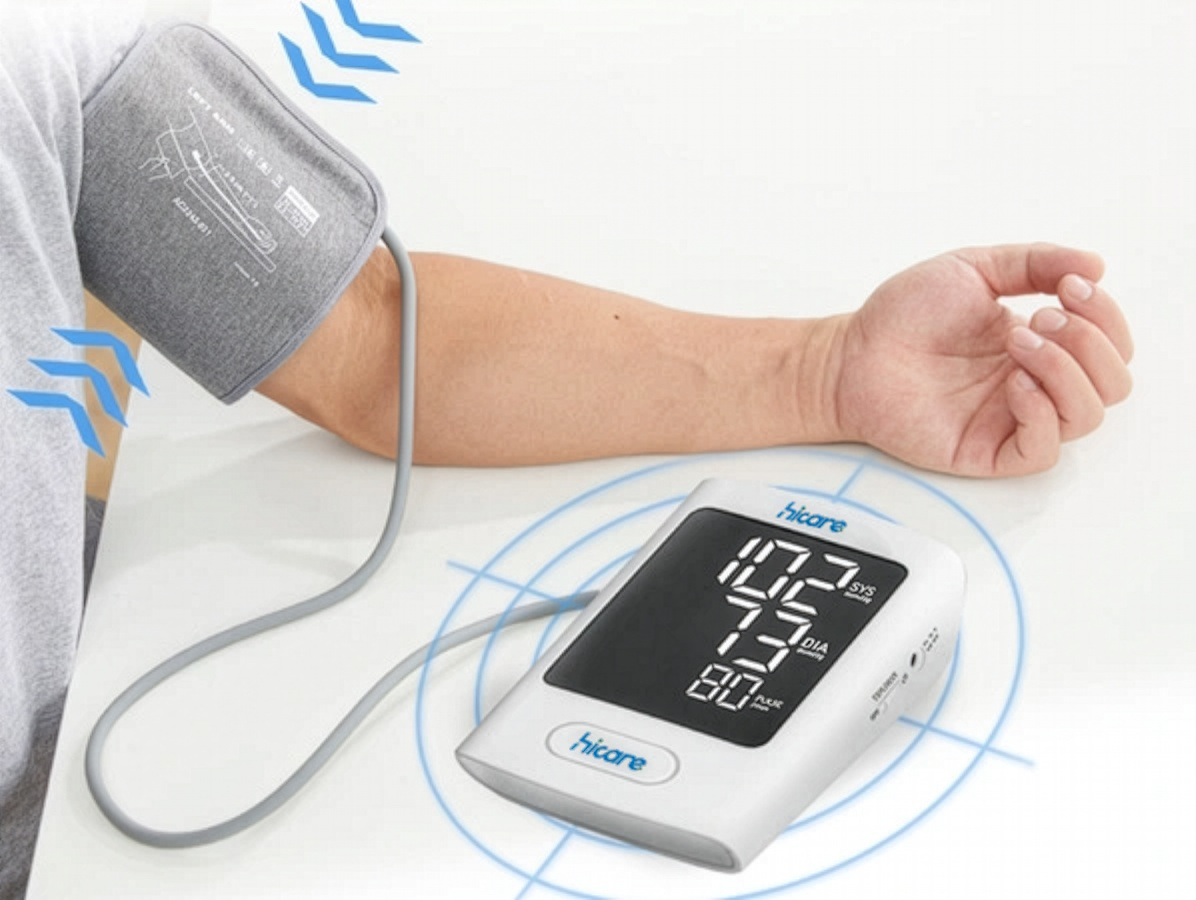
Easy to start,
Easy to use
Devices are ready to use with no setup or downloads required. They are user-friendly, wireless, and automatically transmit patient data to the Hicare platform.
All devices are FDA-Cleared and integrated into monitoring, documentation, and care workflows.
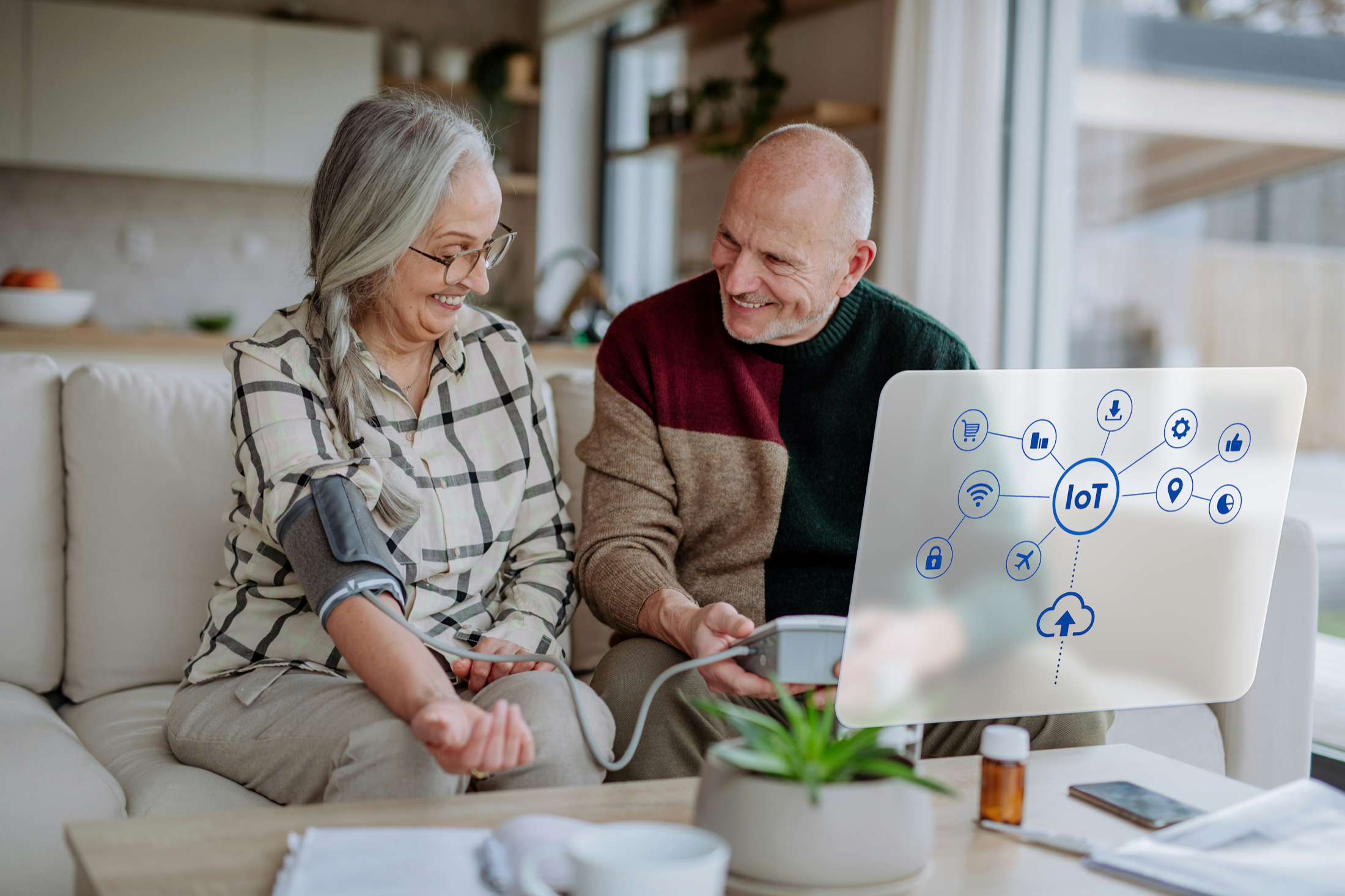
Continuous monitoring
without gaps
Patient measurements are automatically transmitted and monitored through the platform. Care teams monitor patient measurements and track readings on an ongoing basis. Missed measurements and abnormal readings are identified during monitoring.

Follow-up based on
patient readings
When readings are abnormal or missing, care teams take immediate action. Patients are contacted directly to resolve issues and prevent conditions from worsening.
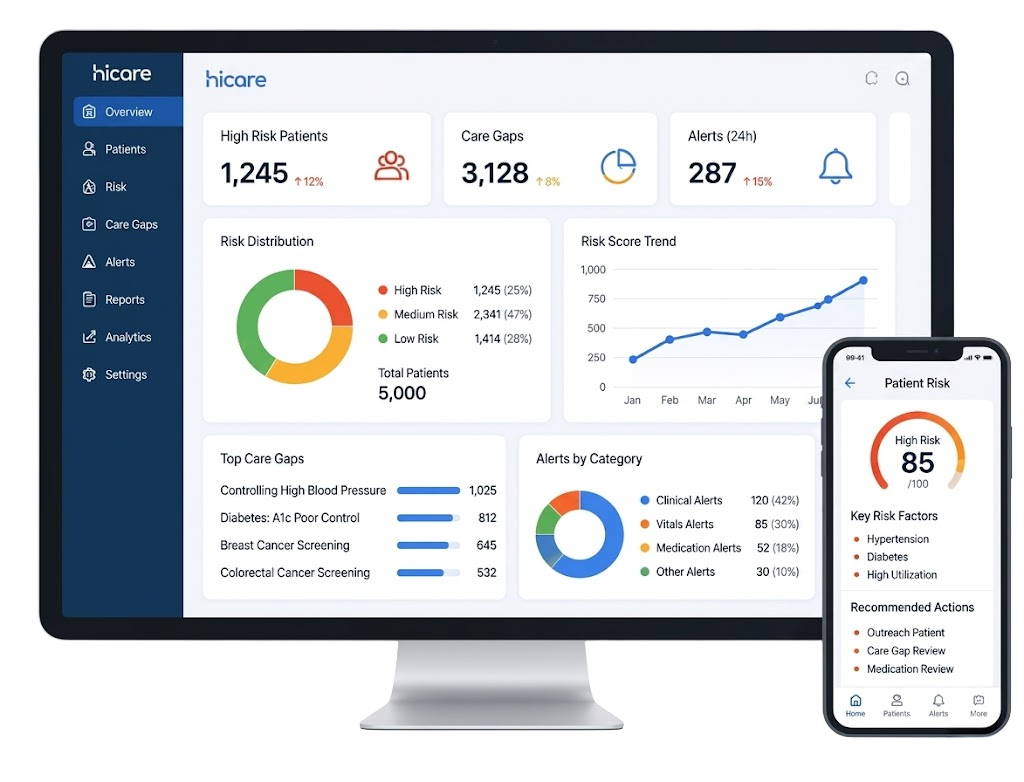
Medical intelligence
for care team action
Patient data is continuously analyzed to identify risk patterns, missed measurements, and early signs of deterioration.
Care teams are guided on when and where action is needed.
Easy to start,
Easy to use
Devices are ready to use with no setup or downloads required. They are user-friendly, wireless, and automatically transmit patient data to the Hicare platform.
All devices are FDA-Cleared and integrated into monitoring, documentation, and care workflows.
Continuous monitoring
without gaps
Patient measurements are automatically transmitted and monitored through the platform. Care teams monitor patient measurements and track readings on an ongoing basis. Missed measurements and abnormal readings are identified during monitoring.
Follow-up based on
patient readings
When readings are abnormal or missing, care teams take immediate action. Patients are contacted directly to resolve issues and prevent conditions from worsening.
Medical intelligence
for care team action
Patient data is continuously analyzed to identify risk patterns, missed measurements, and early signs of deterioration.
Care teams are guided on when and where action is needed.
Support monitoring across
connected care conditions
Chronic Care Management as
connected care coordination
CCM creates value when care plans, patient engagement, and documentation
work together as part of coordinated care management.

Care plan creation
and management
Individualized care plans are developed and maintained by clinical teams. Care plans are continuously refined based on patient status, monitoring insights, and care coordination activities.

Monthly patient
engagement
Care teams contact patients promptly to review their status, provide education, and reinforce adherence. Patient engagement is maintained through consistent outreach.

Care coordination
and escalation
Care coordination supports alignment across care teams and providers based on patient status and evolving care needs. Escalation pathways help ensure appropriate clinical attention when higher levels of care are required.
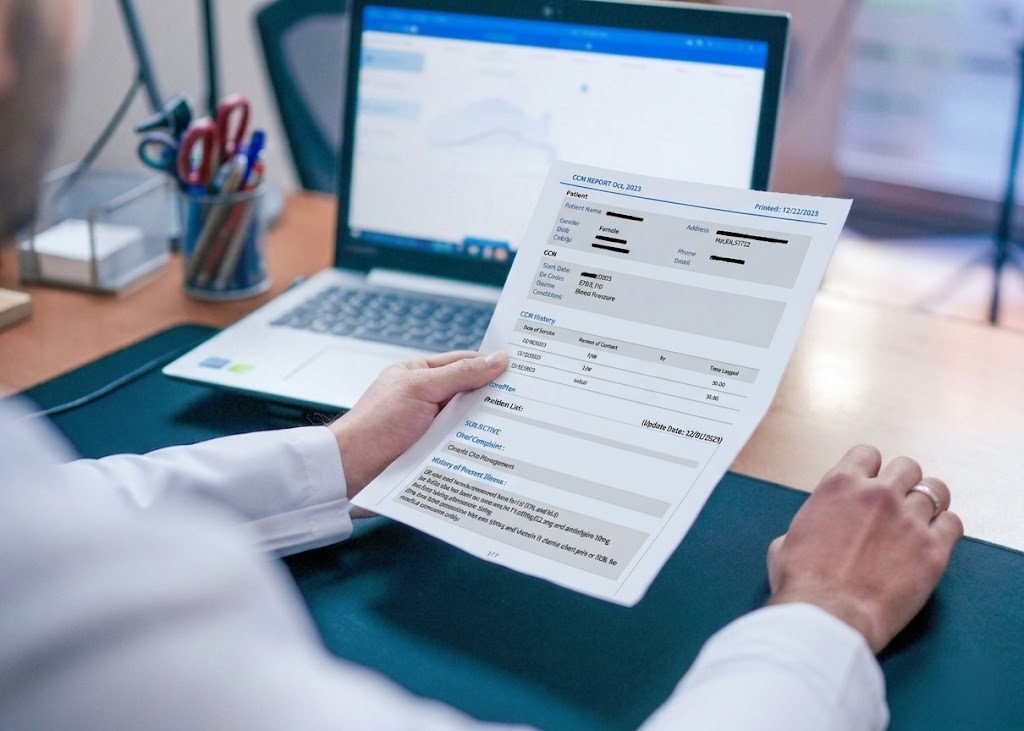
Documentation and
Audit Support
Care activities, patient interactions, and coordination efforts are captured within documentation workflows designed to support audit review and program oversight. Documentation supports reporting consistency, compliance alignment, and audit-ready care management operations.
Care plan creation
and management
Individualized care plans are developed and maintained by clinical teams. Care plans are continuously refined based on patient status, monitoring insights, and care coordination activities.
Monthly patient
engagement
Care teams contact patients promptly to review their status, provide education, and reinforce adherence. Patient engagement is maintained through consistent outreach.
Care coordination
and escalation
Care coordination supports alignment across care teams and providers based on patient status and evolving care needs. Escalation pathways help ensure appropriate clinical attention when higher levels of care are required.
Documentation and
Audit Support
Care activities, patient interactions, and coordination efforts are captured within documentation workflows designed to support audit review and program oversight. Documentation supports reporting consistency, compliance alignment, and audit-ready care management operations.
Support monitoring across
multiple chronic conditions